Amazon Sponsored Product Videos autoplay directly within search results, making them one of the most attention-grabbing ad formats currently available to sellers. In this article, we’ll explore what Sponsored Product Videos are, why they consistently perform well, and how brands can use them more effectively to drive stronger results.
When executed strategically, Sponsored Product Video ads often outperform static image ads in both engagement and conversion efficiency. Their motion-based format naturally captures shopper attention more effectively within crowded search results, leading to higher click-through rates and attracting users with stronger purchase intent. As a result, brands can drive more qualified traffic to product detail pages and improve overall conversion performance. According to Amazon internal data (2025), advertisers using Sponsored Product Video ads achieved, on average, a 9% higher click-through rate compared to advertisers using static image creatives.
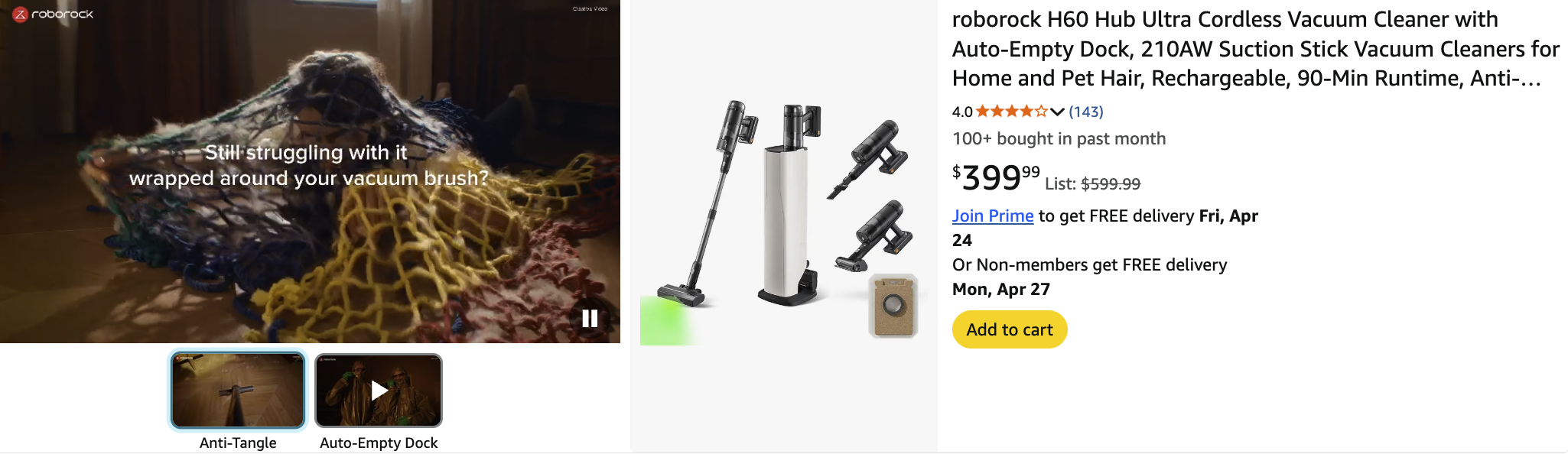
Amazon Sponsored Product Videos are short-form video creatives that autoplay silently within Amazon search results and on select product detail pages. Their motion-based format allows brands to stand out more effectively in highly competitive search environments, helping capture shopper attention earlier in the buying journey.
Unlike Sponsored Brand Video ads, which appear as standalone banner-style placements, Sponsored Product Videos are tied directly to individual ASINs and operate within existing Sponsored Products campaign structures. This allows advertisers to use the same targeting strategies, bidding logic, and budget controls already familiar from standard Sponsored Products campaigns, making implementation relatively seamless.
Brands can upload between one and five feature-focused videos per ASIN. Amazon then dynamically surfaces up to three of the most contextually relevant video thumbnails based on factors such as shopper search intent, browsing behavior, and product relevance. All video assets must pass Amazon’s moderation and review process before going live, which typically takes between 48 and 72 hours.
https://advertising.amazon.com/resources/whats-new/unboxed-2025-sponsored-products-video
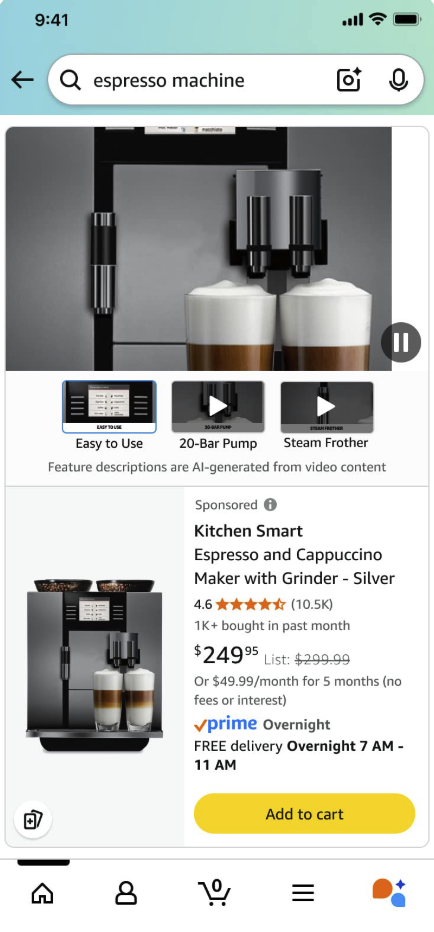
In search results dominated by static imagery, autoplaying video naturally captures shopper attention more effectively. Motion creates a visual interruption within crowded search environments, increasing the likelihood that users will pause, engage, and click through to the product detail page.
More importantly, shoppers who engage with video content often arrive at the listing with a clearer understanding of the product’s functionality, appearance, and value proposition. This typically results in higher-quality traffic, stronger purchase intent, and improved conversion efficiency compared to traditional static image ads.
According to Amazon internal data, Sponsored Product Video ads generated an average 9% increase in click-through rate compared to static creatives. Amazon also found that shoppers respond most positively to videos that clearly showcase key product features, demonstrate real-world usage scenarios, and help visualize the customer experience before purchase. Among various content formats available on Amazon, product videos were identified as the most preferred format during the shopping journey.
Sponsored Product Videos tend to perform especially well for products that benefit from visual demonstration or experiential storytelling. Categories such as skincare devices, kitchen tools, fitness equipment, and beauty products often see stronger engagement because video can more effectively communicate functionality, texture, results, and ease of use in ways that static images cannot.
https://advertising.amazon.com/library/guides/sponsored-products-video#3a
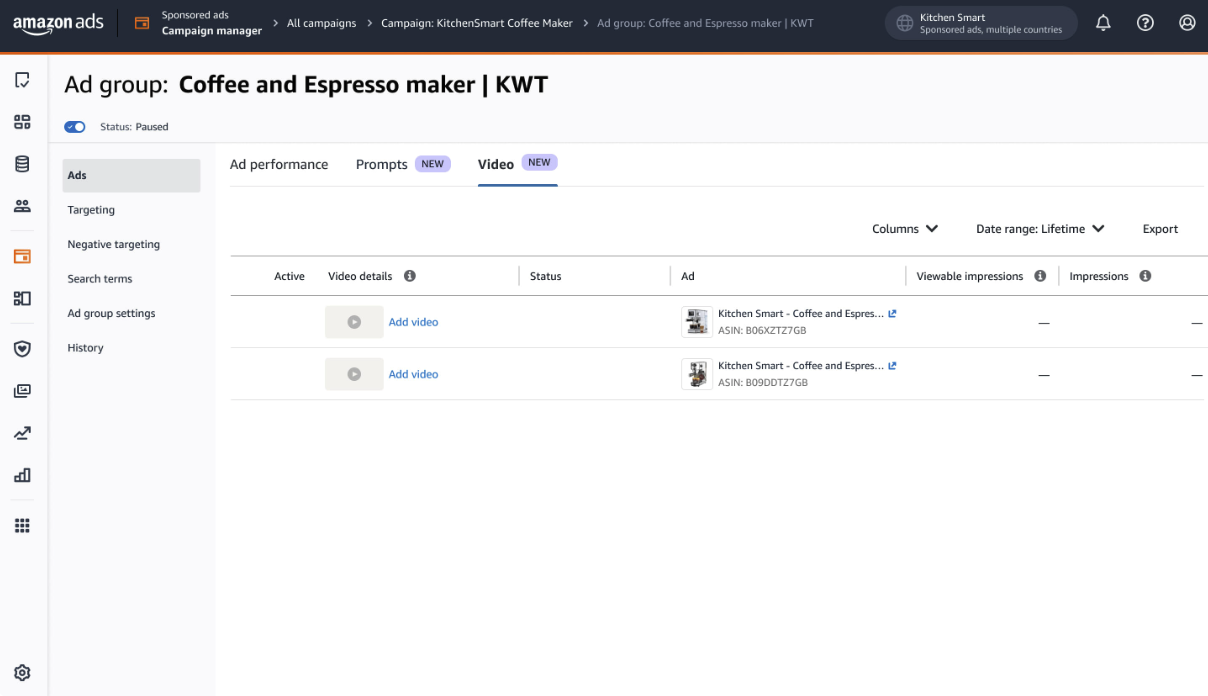
The most effective Sponsored Product Videos are designed with performance and shopper clarity in mind rather than traditional brand storytelling. Because these ads appear directly within search results, the primary objective should be to communicate the product’s core value proposition as quickly and clearly as possible.
Strong-performing videos typically focus on demonstrating unique product features, functionality, and practical benefits within the first few seconds. Rather than relying on abstract brand messaging, advertisers should prioritize showing exactly how the product works and why it is different from competing alternatives.
Using real products in authentic, everyday scenarios is also critical. Demonstrating the product in real-life use cases helps shoppers better visualize how it fits into their own routines and purchasing needs, which can significantly improve engagement and conversion intent.
Video titles should also align closely with the content being shown. Amazon’s moderation process evaluates whether the title accurately reflects the featured product functionality, and mismatched or overly promotional titles may increase the likelihood of rejection during review.
In addition, brands should ideally upload at least three videos per ASIN instead of relying on a single creative asset. Multiple videos enable Amazon to display interactive video thumbnail experiences and provide the algorithm with more variations to match against different shopper intents, search behaviors, and browsing contexts.
Q. Where do Sponsored Product video ads appear?
Sponsored Product Video ads can appear across multiple Amazon placements, including mobile search results, product detail pages, and selected placements throughout the homepage and search environment. Their visibility within high-intent browsing surfaces makes them particularly effective for capturing shopper attention during active product discovery.
Q. How long should an Amazon Sponsored Product Video be?
Amazon currently allows Sponsored Product Videos between 6 and 45 seconds in length. In most cases, videos in the 15–30 second range tend to perform most effectively, as they provide enough time to communicate key product benefits while remaining concise enough to maintain attention in a fast-scrolling shopping environment.
Q. Why is my Sponsored Product Video getting clicks but not conversions?
In many cases, this indicates a product listing issue rather than a problem with the ad creative itself. If shoppers are engaging with the video but not completing a purchase, the video is likely succeeding at generating interest, while the product detail page may be creating friction during the decision-making process. Brands should review key conversion elements such as the main product image, title clarity, bullet point structure, pricing competitiveness, review volume, and overall listing quality to identify potential drop-off factors.

Account Executive
