1. Definition: Amazon's advertising solutions that can be utilized both on and off Amazon
2. History of Amazon Advertising
2012 - Amazon Advertising launched
2014 - Sellers begin using it on a non-professional level
2017 - Introduction of advanced ad products such as Amazon Display Ads, Video Ads, and Sponsored Products
2019 - The platform reaches maturity, becoming essential for brands
3. Importance of Amazon Advertising
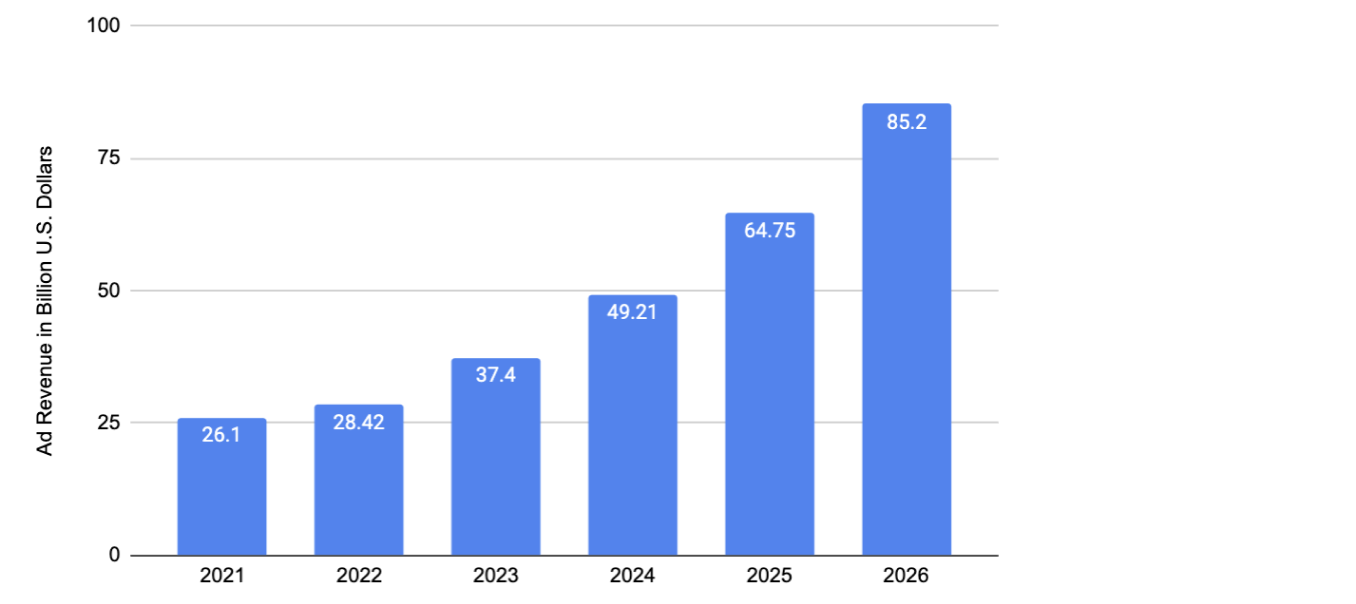
Amazon Advertising grows alongside the digital advertising market
Market share in the digital advertising space is increasing
Consumer goods brands are the most ideal fit for Amazon Advertising, though there are many opportunities for other businesses as well
Amazon ads significantly impact sales by appearing at the top of search results
As of 2020, approximately 30% of a brand's total revenue is derived from Amazon Advertising
It is difficult to get products on the first page of Amazon search results without advertising
Advertising can be used to drive consumers to websites outside of Amazon
Types of Amazon Advertising
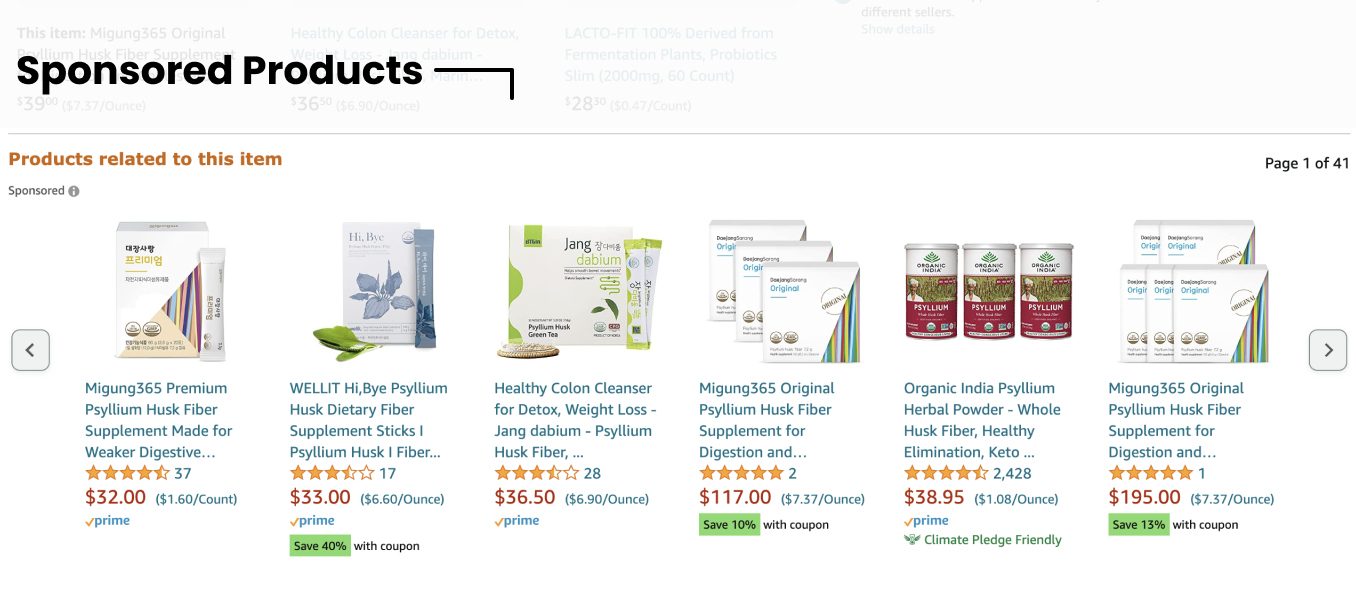
1. Sponsored Products
The most fundamental form of Amazon advertising
Average weekly ASIN orders increased by 40% within the first year of creating a Sponsored Products campaign
Average weekly ASIN views increased by 54% within the first year of creating a Sponsored Products campaign
Automatic and manual targeting options
Automatic targeting: the campaign uses Amazon's data to automatically select keywords and ASINs for targeting
Manual targeting: control your targeting by adding specific keywords, categories, and ASINs
Ad placement: search results pages, product detail pages
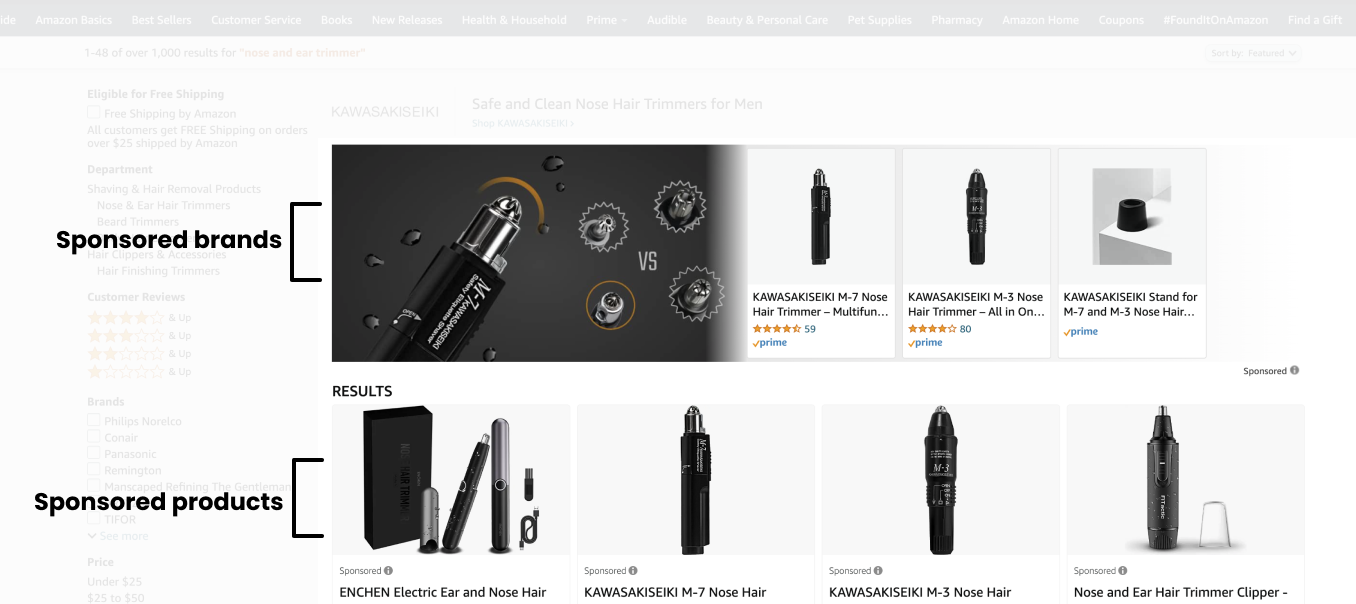
2. Sponsored Brands
Great ads for showcasing your brand and products
Campaigns allow you to choose between 3 products or your brand store
Use images and headlines to make your ads stand out
Manual targeting options only
Where ads are displayed: search result pages (top), product detail pages
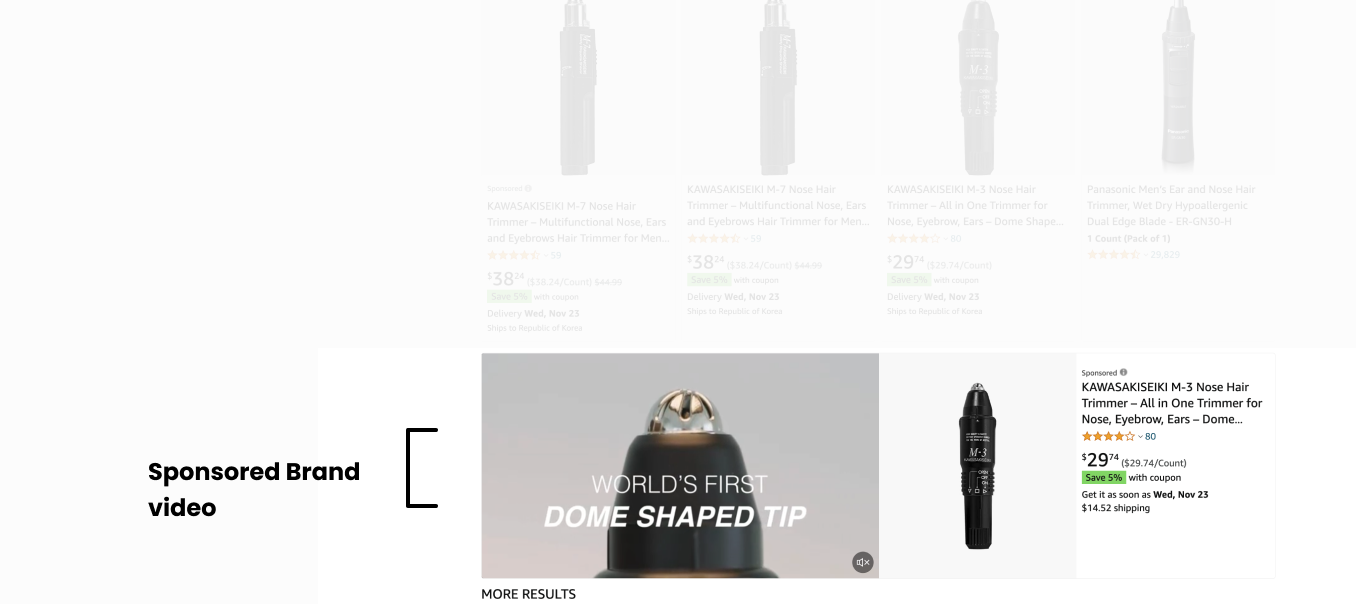
3. Sponsored Brand video
Sponsored Brand ads that utilize video
Effective for increasing click-through rates (CTR)
Advertisers using Sponsored Brand Video ads saw an average CTR 108.1% higher than those using only standard Sponsored Brand ads
Where ads are displayed: search result pages (middle and bottom of the page)
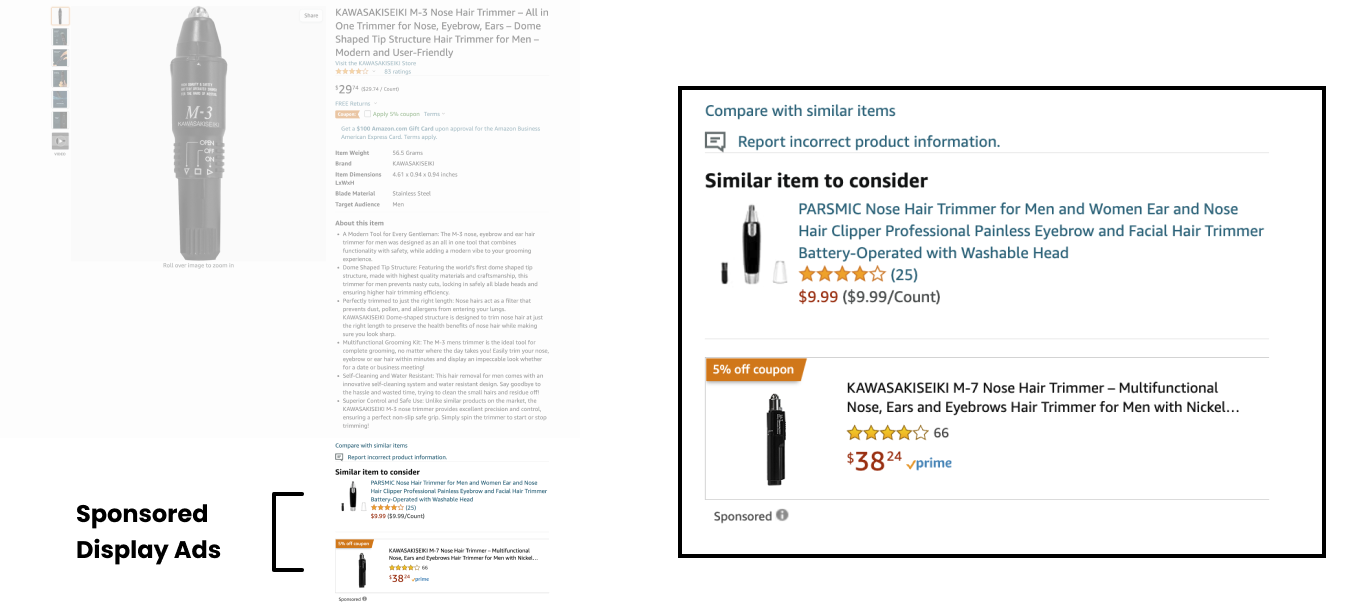
4. Sponsored Display
Ads that target based on consumer interest and behavioral data
Targeting methods: contextual targeting (using products and categories), audience targeting (selecting consumers using Amazon audiences, views remarketing, and purchase remarketing)
Ad bid optimization can be set for reach, page visits, and conversions
Highly effective for increasing impressions and reaching new customers: on average, campaigns using Amazon's contextual targeting recommendations saw a 2x increase in impressions and a 1.5x increase in clicks
When advertisers use Sponsored Display audience targeting, new customers account for 82% of sales on average
Where ads are displayed: Amazon home page, search result pages, product detail pages, 3rd-party sites
5. Amazon DSP (Demand Side Platform)
Ads displayed to consumers both on and off Amazon
Ad types: display, video, audio
Available even to advertisers who do not sell on Amazon
Where ads are displayed: Amazon website, Amazon-owned websites (Audible, IMDb, Twitch, etc.), third-party websites, Amazon-owned apps, Amazon devices (Amazon Echo, Fire TV, Kindle, etc.)
6. Audio Ads
Short audio ads played between songs on Amazon Music
Allows targeting of many consumers who do not use paid music services
7. Storefronts (Brand Stores)
A page to showcase your brand and all your products within the Amazon space
Helps explain your brand story to consumers and provides a better shopping experience
Customizable layout where you can add images, videos, text, etc.
Sales and traffic data can be collected for reporting and optimization
Brand stores with 3 or more pages see 83% higher dwell time and 32% higher attributed sales per visitor
8. Posts (Currently in Beta)
Amazon's social media platform
Create lifestyle images and product-related content to share on the Amazon Post feed
Where they appear: brand's Amazon Post feed, product detail pages, category-specific Amazon Post feeds, product-related Amazon Post feeds
9. Amazon Live Video
Amazon's live shopping platform
Introduce products, offer discounts, and interact with viewers via live chat
Accessible via the Amazon Live Creator app
STRATEGY
Brands should run ads 1-4, 5, and 7 simultaneously to achieve the best results from Amazon PPC advertising
If your advertising budget is limited, we recommend running ads 1-4 and 7 together
Running only one type of ad is significantly less effective than running them in combination
For certain businesses, ads 6, 8, and 9 may also be effective
The Current State and Future of Amazon Advertising
1. Current State of Amazon Advertising
Amazon's current advertising landscape is comparable to Google's about 6 years ago
The interface and platform are quite rudimentary
Competition for advertising within Amazon is quite intense
Many brands advertise at a loss to improve their rankings
Most advertising spend is allocated to Sponsored Products and Sponsored Brands
2. The Future of Amazon Advertising
a. Key Future Keywords
More control - more options for choosing who sees ads, when they see them, how campaigns are segmented, platforms, and placements
More creativity - while previously it was just about selecting products, the future will require more creativity. Visual content and catchy phrases will become increasingly important
More interaction - there will be more ways for sellers and buyers to interact (e.g., real-time chat with sellers on Amazon Live)
More traffic - traffic is expected to continue growing
b. The Future of Amazon Advertising
Creative ad materials and methods will become more important
More discovery-oriented options will emerge (e.g., Live, Posts)
Video will become increasingly vital
Posts and creative ad copy will gain more importance
More opportunities will arise for businesses beyond consumer goods
The platform will become more sophisticated and granular for advertisers
Amazon advertising is expected to see exponential growth