Have you tried influencer marketing but failed to achieve the results you wanted? This is a common challenge faced by many brands. The success of an influencer campaign does not depend on simply posting a high volume of content but rather on the quality and strategy behind the content you post.
In today's digital landscape, 99% of Gen Z skip ads, and 63% use ad-blocking software. Given this, creating authentic and relatable content has become more important than ever. To effectively drive product purchases, you must go beyond simply finding the right influencers and strategically craft the content to be uploaded. In this blog, we will introduce influencer marketing strategies that deliver tangible results.
Before launching an influencer marketing campaign, you must first set clear goals. Your objective could be to increase brand awareness, drive conversions, or build long-term customer loyalty. To help illustrate this, we will set the goal of promoting sales for a K-beauty skincare brand in this article.
Understanding your target audience is also crucial. By identifying their age, interests, and online behavioral patterns, you can determine the content they resonate with and the platforms where they are most active. This allows you to verify whether influencers and their followers share common characteristics with your brand's target audience.
To effectively penetrate the market, you need to segment your target audience. For example, when promoting skincare products, you can divide your target audience into groups such as young people with acne-prone skin or middle-aged individuals looking for anti-aging solutions.
Each segmented group may respond differently depending on the message, content format, and platform used. Understanding these differences and tailoring your influencer campaigns to each group's specific criteria will lead to more effective results.
For example, when selling an acne treatment, it is best to target the 18–25 age group and work with influencers in that same age range. People of the same age are more likely to relate to one another.
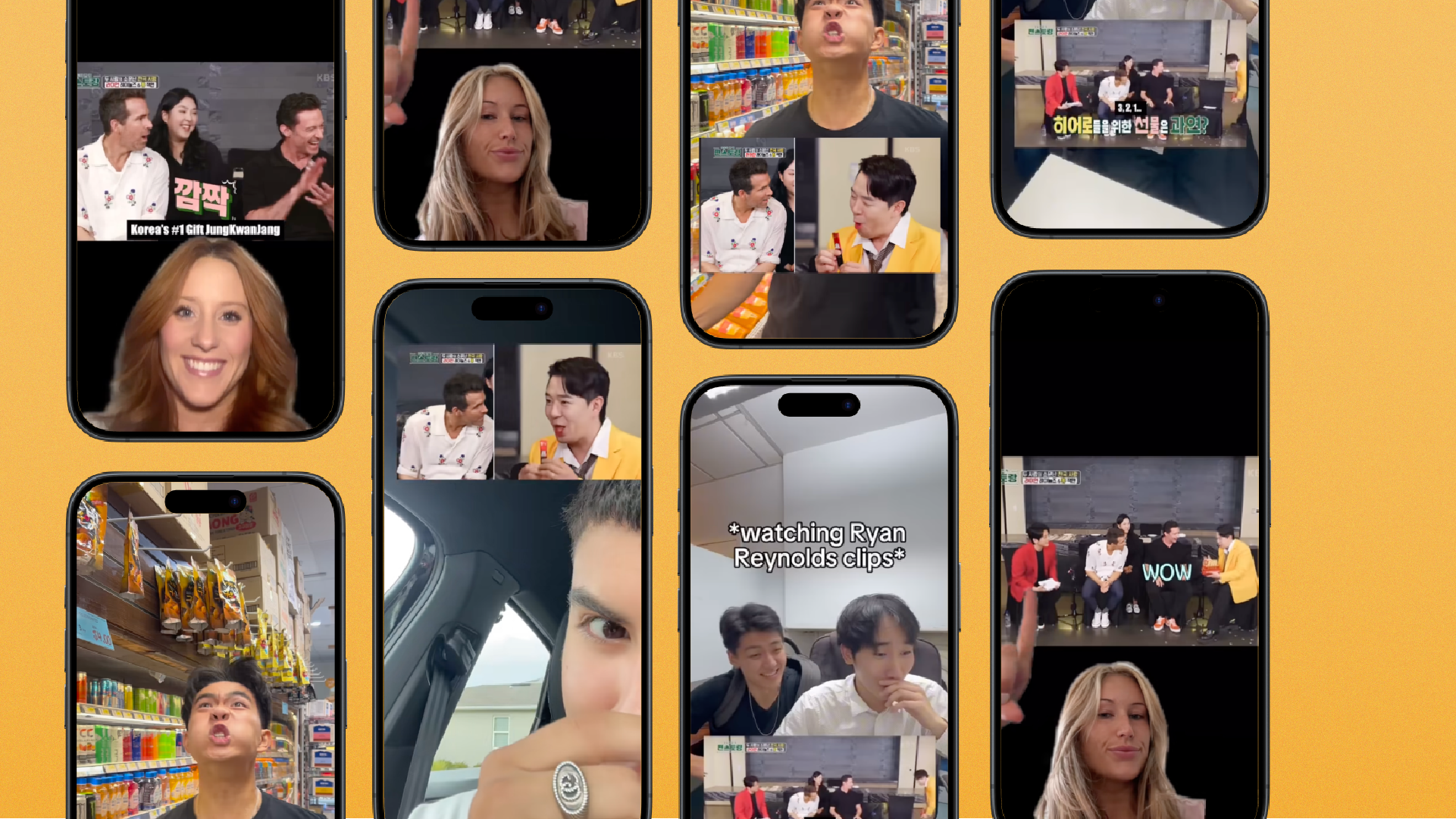
To effectively target the market, it is recommended to use a multi-layered approach that utilizes both macro and micro influencers. However, it is important to look at metrics like average views or engagement rates rather than relying solely on follower counts. Even with a large following, if the audience is fake or engagement is low, it is difficult to achieve the expected results.
The synergy between these two influencer groups is crucial. Macro influencers play a role in generating significant initial interest, while micro influencers sustain that interest and provide more credible information. In short, it is best to have macro influencers build broad brand awareness, followed by micro-influencers who add detail and credibility to drive purchases.
Simply having many influencers post content does not increase the likelihood of going viral. In fact, forced or unnatural content can actually decrease the chances of virality.
For instance, when working with UGC (User-Generated Content) creators, their content often fails to go viral because the product itself lacks viral appeal. While UGC creators are typically effective for ad creatives, they perform best when the product is inherently compelling. Otherwise, collaborating with professional content creators or influencers for more authentic storytelling is far more effective.
Due to low brand awareness and intense competition in the acne treatment market, the brand needs to quickly build recognition and drive sales by creating engaging content on TikTok and Instagram.

Accurately measuring the performance of influencer campaigns is often difficult. In particular, there are limitations in determining whether a campaign directly translates into sales. However, using the right tracking tools can help you gain a clearer understanding of your campaign's effectiveness.
Influencer marketing to drive sales goes beyond simply finding many influencers; it requires strategically utilizing influencers at various levels and consistently providing content tailored to each platform. Through high-quality storytelling and performance tracking, you can execute effective influencer marketing that boosts conversions and fosters long-term brand loyalty.


Global Marketing Specialist
