For years, influencer marketing followed a familiar formula. Brands partnered with creators who had large followings, creators promoted products to their audiences, and marketers measured success through impressions, engagement, and conversions. It was a model built on one simple assumption: the bigger the audience, the greater the influence. For a long time, that assumption held true.
But something has quietly changed. Today, consumers are becoming increasingly skeptical of polished sponsorships and carefully curated social feeds. They know when a recommendation is paid for. They recognize affiliate links. They understand the mechanics behind influencer partnerships. While creators still play an important role in building awareness, they are no longer the only voices shaping purchasing decisions, and in many cases, they aren't the most trusted ones.
Instead, a different kind of influencer is emerging. Not someone with a million followers. Someone with a genuine experience. A customer sharing an honest review on Reddit. A founder documenting their software stack in a niche forum. A traveler explaining why one hotel exceeded expectations while another fell short. These conversations rarely go viral, yet they influence thousands of purchasing decisions every day because they answer the questions people are actually asking. The shift isn't happening because traditional influencer marketing has failed. It's happening because the internet itself has changed.
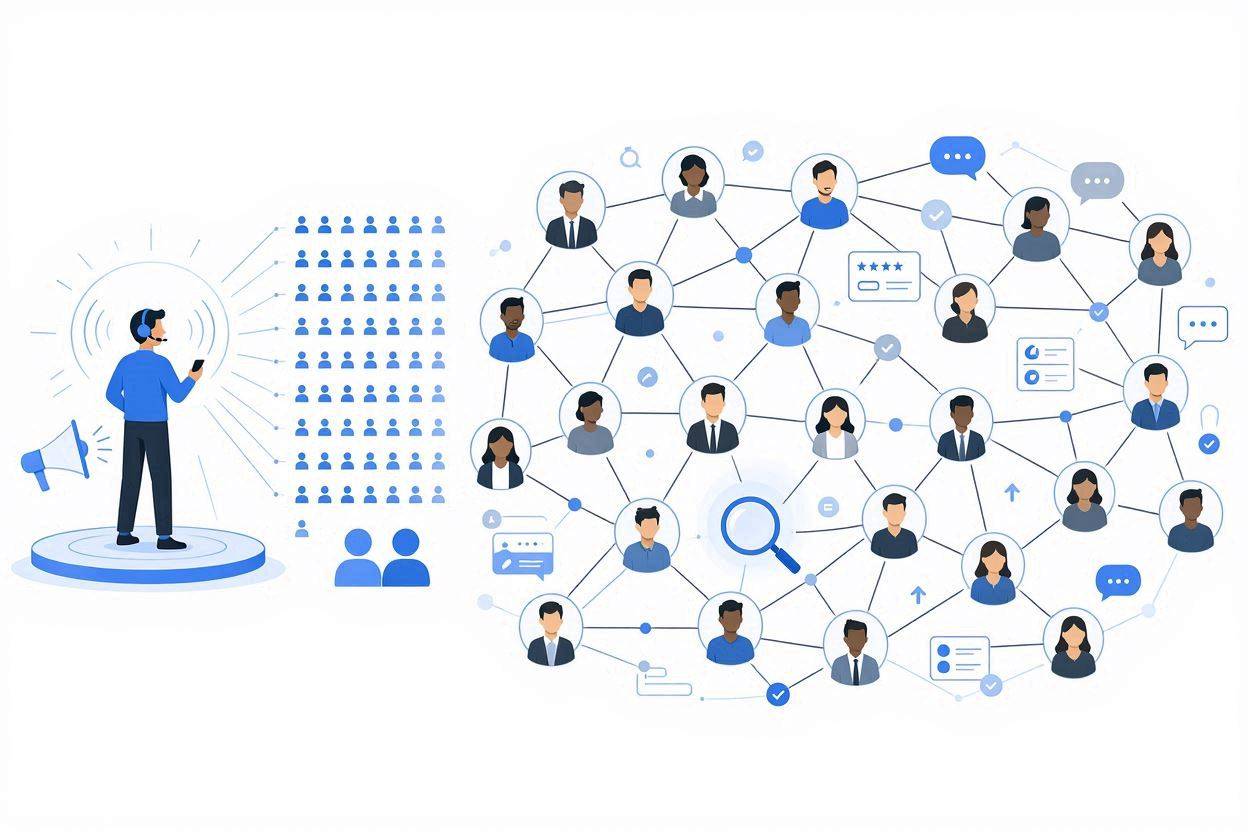
Think about your own behavior before making an important purchase. Whether you're investing in business software, booking a hotel, buying skincare, or choosing a new laptop, chances are you don't stop at the brand's website. You don't rely solely on a sponsored Instagram Reel or a TikTok creator saying, "You need this." Instead, you look for validation. You search for real experiences, compare opinions, and want to know what people without a financial incentive have to say.
This behavior has become so common that many users instinctively add terms like "Reddit," "review," or "real experience" to their searches. They're not looking for better advertising; they're looking for better evidence. That distinction matters.
The most valuable form of influence today isn't built on visibility alone. It's built on credibility. A detailed Reddit comment explaining why a productivity tool saved a small business owner ten hours a week may carry more persuasive power than a sponsored video viewed by hundreds of thousands of people. A thoughtful discussion between photographers comparing camera lenses can influence buying decisions long after it was first published. These aren't campaigns. They're conversations, and they're increasingly becoming the internet's most trusted source of recommendations.
This represents a fundamental shift for marketers. For years, brands competed for attention. Now they're competing for trust. And trust cannot simply be purchased. It has to be earned through products, experiences, and conversations that people willingly choose to share.
While consumer trust has been shifting for years, artificial intelligence is accelerating the pace of change in ways many marketers are only beginning to understand. Search is no longer just a list of blue links. Millions of users now begin their research with AI-powered tools like ChatGPT, Google AI Overviews, Gemini, and Perplexity. Instead of scanning dozens of articles, they ask a question and expect a synthesized answer.
This changes what information gets surfaced. Historically, brands invested heavily in creating optimized content for search engines. Ranking on the first page of Google often meant creating more blog posts, acquiring backlinks, and refining technical SEO. Those practices still matter, but they're no longer the complete picture.
AI systems increasingly look for signals that reflect genuine expertise and real-world experience. They draw from a much broader ecosystem of information, including editorial content, reviews, community discussions, and public conversations, to generate answers that users perceive as trustworthy. In other words, influence is no longer confined to social media feeds or branded content. It lives wherever authentic experiences are shared.
This growing shift is also changing how businesses evaluate their marketing partners. Rather than focusing exclusively on agencies that specialize in paid media or creator partnerships, many brands are beginning to look for a Reddit marketing agency that understands how authentic community conversations influence purchasing decisions, brand trust, and AI-generated search results. The objective isn't to manufacture discussions but to help brands participate in the right conversations in ways that provide genuine value.
That's why the future of influencer marketing isn't about replacing creators with customers. It's about recognizing that influence has become decentralized. Every satisfied customer, every insightful community discussion, and every authentic recommendation contributes to a brand's reputation in ways that extend far beyond a single platform.
For marketers, this presents both a challenge and an opportunity. The brands that continue measuring influence solely by follower counts may find themselves investing in yesterday's strategy. The brands that understand how trust is created, and how authentic customer voices shape both human decisions and AI-generated recommendations, will be far better positioned for the next era of digital marketing.
In the following section, we'll explore why consumers trust other consumers more than influencers today, and how this shift is fundamentally changing the way brands should think about advocacy, community, and long-term growth.
Source: DALL-E
If the first generation of influencer marketing was built on attention, the next generation will be built on validation. This distinction is more than just semantics. It represents a fundamental shift in how consumers make decisions and how brands should think about influence. For years, marketers asked a relatively straightforward question: "Who has the biggest audience we can partner with?" Today, the more important question is: "Who do our customers trust when they're ready to make a decision?" Those are two very different questions, and they rarely lead to the same answer.
Consider how most buying decisions happen today, especially for products and services that involve a meaningful investment. Whether someone is purchasing enterprise software, booking an international trip, selecting a skincare routine, or comparing premium consumer electronics, the process follows a remarkably consistent pattern. A creator, advertisement, or social media post might introduce the product. That is often the first touchpoint. But awareness is no longer the deciding factor.
Instead, consumers move into what could be called the validation phase. This is where uncertainty enters the picture. They begin asking questions that polished marketing campaigns rarely answer: Does this actually work? What are the downsides? Would someone like me recommend it? Is the price justified? What happens after the purchase? These questions don't disappear because a creator recommends a product. In fact, influencer content often creates them. Consumers know that partnerships, sponsorships, and affiliate incentives exist, so they instinctively seek independent perspectives before making a commitment.
This is where communities begin to outperform traditional influencers. Unlike branded campaigns, community discussions are dynamic. One person asks a question, another shares their experience, a third provides an alternative recommendation, and someone else points out limitations or unexpected benefits. The result is a conversation that feels balanced rather than persuasive. Ironically, that balance makes it far more convincing.
This isn't just about Reddit, although Reddit is one of the strongest examples of this shift. This is one reason why Reddit community marketing has become an increasingly important strategy for forward-thinking brands. Unlike traditional social media campaigns that prioritize reach and engagement, Reddit enables brands to understand how real consumers discuss products, solve problems, and influence one another through authentic conversations. When approached with transparency and genuine value, these communities become powerful environments for building long-term trust rather than short-term attention.
Across the internet, niche communities are quietly shaping purchase decisions every day. Professional forums, industry-specific Slack groups, Discord servers, Facebook Groups, and specialized communities all serve the same purpose: they connect people who value genuine experience over polished promotion.
What makes these spaces influential isn't simply the number of users participating. It's the quality of the interaction. When someone spends fifteen minutes writing a thoughtful comparison between two SaaS platforms or explains why one product solved a problem that another couldn't, they are creating something much more valuable than a traditional advertisement. They're contributing lived experience. That experience carries weight because it wasn't created to sell.
This is an important lesson for marketers. Trust is no longer concentrated in a handful of celebrity creators or macro influencers. Instead, it is distributed across thousands of everyday consumers who collectively shape brand perception through conversations, recommendations, and reviews. One customer may influence only a few dozen people directly, but when hundreds or thousands of customers share consistent experiences, they create a powerful trust signal that extends far beyond their immediate audience. This is the essence of modern influence: credibility at scale.
The rise of AI-powered search makes this evolution even more significant. Traditional search engines primarily evaluated webpages. AI systems increasingly evaluate information ecosystems. Rather than simply ranking a company's own content, AI-generated answers synthesize knowledge from multiple sources to provide users with comprehensive responses. Editorial articles, product reviews, community discussions, expert opinions, and public conversations all contribute to the answer that users ultimately receive.
This changes how brands earn visibility. A company can publish dozens of optimized blog posts, but if real customers consistently describe poor experiences across public communities, that disconnect becomes difficult to ignore. Conversely, brands that generate authentic advocacy often find their reputation strengthened by conversations they didn't directly create. For marketers, this introduces a new strategic priority. Success is no longer defined solely by the content your brand produces. It is increasingly influenced by the conversations your customers are willing to have about you when you're not in the room.
This doesn't mean influencer marketing is becoming obsolete. Creators still play a critical role in introducing products, telling stories, and expanding reach. However, their role is evolving. Instead of being the final voice in the customer journey, they are becoming the beginning of it.
The brands that will lead over the next decade understand that awareness without validation creates friction. They therefore invest in both. They collaborate with creators to spark discovery, but they also invest in exceptional customer experiences, community engagement, user-generated content, and environments where authentic conversations can flourish naturally.
The objective is no longer to manufacture influence. It is to earn it. This mindset requires marketers to shift from campaign thinking to ecosystem thinking. Every satisfied customer, every helpful review, every honest discussion, and every shared experience becomes part of a larger network of trust that influences both human decision-making and, increasingly, the AI systems that guide those decisions. The future of influencer marketing will not be won by the brands with the largest creator budgets. It will be won by the brands that inspire the most authentic conversations, because in an internet shaped by trust, communities don't just amplify influence. They create it.

Source: DALL-E
If trust is becoming the world's most valuable marketing currency, then the obvious question for brands is: How do you earn it? The answer isn't by abandoning influencer marketing altogether, nor is it by simply increasing your creator budget or publishing more content. Instead, the brands that will thrive over the next five years will shift their mindset from buying influence to building influence ecosystems. That's an important distinction.
For years, influencer marketing has largely been campaign-driven. A brand launches a product, identifies creators, negotiates partnerships, publishes sponsored content, measures engagement, and moves on to the next campaign. While this model can generate awareness and short-term sales, its impact often fades once the campaign ends.
Consumer influence, however, doesn't operate on campaign cycles. It compounds. Every positive customer experience creates another opportunity for someone to recommend your brand. Every thoughtful review becomes another resource for future buyers. Every authentic discussion adds another layer of credibility that can influence not just people, but increasingly the AI systems helping people make decisions. This is why the future of influencer marketing isn't about finding better influencers. It's about creating more reasons for ordinary customers to become advocates.
Many brands still think of marketing as something that happens after the product is finished. The product team builds, the marketing team promotes, customer support handles complaints, and community management lives somewhere in between. But this organizational structure no longer reflects how modern influence works.
Today's marketing extends far beyond the marketing department because every interaction with a customer has the potential to become public. A delivery experience can become a Reddit thread. An exceptional customer support interaction can become a LinkedIn post. A surprisingly thoughtful onboarding experience can spark dozens of recommendations inside professional communities. In other words, customer experience has become marketing. This means the most effective marketing leaders are increasingly collaborating across departments, not because it's fashionable, but because influence is now created at every touchpoint.
Consider two competing software companies with similar products. The first invests heavily in paid creators every quarter but struggles with customer onboarding and slow support. The second spends less on sponsorships but continuously improves its product, responds transparently to feedback, and encourages users to share their experiences. Initially, the first company may appear louder. Over time, however, the second company builds something far more difficult to replicate: a reputation that customers willingly reinforce on its behalf. That reputation becomes self-sustaining because every satisfied customer contributes another independent trust signal.
If influence is changing, measurement must change as well. For years, marketers have relied on familiar KPIs such as reach, impressions, engagement rate, follower growth, and click-through rate. These metrics remain useful, but they don't tell the whole story. A campaign can generate millions of impressions while leaving virtually no lasting impact on how people perceive a brand.
The brands leading the next generation of marketing are beginning to pay closer attention to metrics that reveal genuine advocacy. Are customers recommending your brand without being prompted? Are people discussing your product in communities where purchase decisions are actually made? Does your brand appear naturally in comparison conversations alongside competitors? Are users answering each other's questions because they genuinely believe in your product? Are independent reviews reinforcing the same strengths your marketing claims?
These indicators are harder to measure than impressions, but they're often far more predictive of long-term growth. They also align closely with how AI-powered search systems evaluate authority. As AI increasingly synthesizes information from multiple independent sources, brands with consistent, authentic customer advocacy are more likely to become part of the answers users receive. The implication is profound: your customers are no longer just influencing one another; they're helping shape the information ecosystem that future customers rely on.
As more organizations recognize this shift, they're also rethinking the expertise required to engage with community-driven platforms effectively. Rather than treating Reddit as just another social media channel, many brands are investing in specialized Reddit marketing services that focus on audience insights, authentic participation, and long-term credibility. The objective isn't to control the conversation but to understand it, contribute responsibly, and earn the trust that influences both consumer decisions and AI-powered discovery.
One of the biggest mistakes brands make is treating community as another marketing channel. Communities aren't media placements. They aren't billboards. And they certainly aren't spaces where promotional messaging can simply be repurposed. Communities exist to facilitate conversations, solve problems, and exchange experiences. Brands that enter these spaces with a campaign-first mindset often find themselves ignored, or worse, distrusted.
The most successful companies approach communities differently. They participate before they promote. They answer questions instead of dominating discussions. They contribute expertise rather than advertisements. Most importantly, they understand that trust accumulates over time. This is particularly relevant for platforms like Reddit, where credibility isn't determined by follower counts or polished visuals. Instead, influence is earned through consistency, transparency, and genuinely useful contributions.
For marketers, this represents a shift from broadcast marketing to participation marketing. Rather than asking, "How can we get people talking about us?" the better question becomes: "How can we become a valuable part of the conversations people are already having?" That subtle change in perspective often determines whether a brand becomes welcomed by a community or dismissed as another advertiser.
Perhaps the biggest misconception about the future of influencer marketing is that creators and consumers are competing with one another. They aren't. They serve different roles in the customer journey. Creators excel at introducing ideas, generating awareness, and inspiring curiosity. Consumers validate those ideas through authentic experiences, honest feedback, and real-world recommendations. The brands that win won't choose one over the other. They'll build strategies that connect both. They'll use creators to spark attention, exceptional customer experiences to exceed expectations, and communities to transform satisfied customers into credible advocates.
Ultimately, that's what the future of influence looks like. Not a world where brands control every message, but one where they create products, experiences, and relationships so compelling that customers become their most persuasive storytellers. And in an era where trust increasingly determines both human decisions and AI-generated recommendations, there may be no more valuable marketing investment than earning conversations people choose to have, even when your brand isn't part of them.

Source: DALL-E
Marketing has always evolved alongside technology. The rise of television created mass advertising. Search engines transformed how brands approached discoverability. Social media gave businesses direct access to billions of consumers, while influencer marketing reshaped how products were introduced to new audiences.
Today, we are entering another transition, one that may prove even more significant than the rise of social media itself. Artificial intelligence is changing how people discover information, compare products, and make purchasing decisions. At the same time, consumers are becoming more selective about whose opinions they trust. Together, these shifts are redefining what it means to be influential.
The future of influencer marketing, therefore, isn't simply about finding the next platform or partnering with bigger creators. It's about understanding a much more fundamental truth: Influence is no longer something brands can buy outright. It is something they earn through the experiences they create and the conversations those experiences inspire.
This doesn't mean traditional influencer marketing is disappearing. Far from it. Creators will continue to play an important role in helping brands tell stories, introduce products, and build awareness. But awareness is only the first chapter of the customer journey. Trust is what closes the sale, and trust increasingly comes from places that brands don't directly control.
For decades, the strongest marketing advantage belonged to companies with the largest advertising budgets. Then digital marketing leveled the playing field by allowing smaller brands to compete through creativity, targeting, and performance optimization. Now the landscape is changing again. The companies that outperform their competitors in the coming years won't necessarily be the ones creating the most content or spending the most on paid media. They'll be the brands that consistently create experiences people genuinely want to talk about.
Think about the brands that dominate conversations today. People don't recommend them because they're constantly seeing advertisements. They recommend them because they've had memorable experiences. Sometimes it's a product that solved a frustrating problem. Sometimes it's customer support that exceeded expectations. Sometimes it's simply a company that delivered exactly what it promised.
These moments create stories. Stories become conversations. Conversations become trust. And trust becomes influence. That sequence is far more sustainable than relying exclusively on paid visibility because it compounds over time. Every positive customer interaction creates another opportunity for someone to recommend your brand to colleagues, friends, or online communities. Each recommendation strengthens your reputation, making the next purchase decision easier for someone else. This is exactly why customer advocacy should no longer be viewed as a byproduct of marketing; it should be considered one of its primary objectives.
One of the biggest challenges facing modern marketing teams is organizational thinking. Many businesses still separate their marketing efforts into distinct channels such as SEO, social media, influencer marketing, PR, email marketing, and community management. Each team has different goals, different KPIs, and often different strategies.
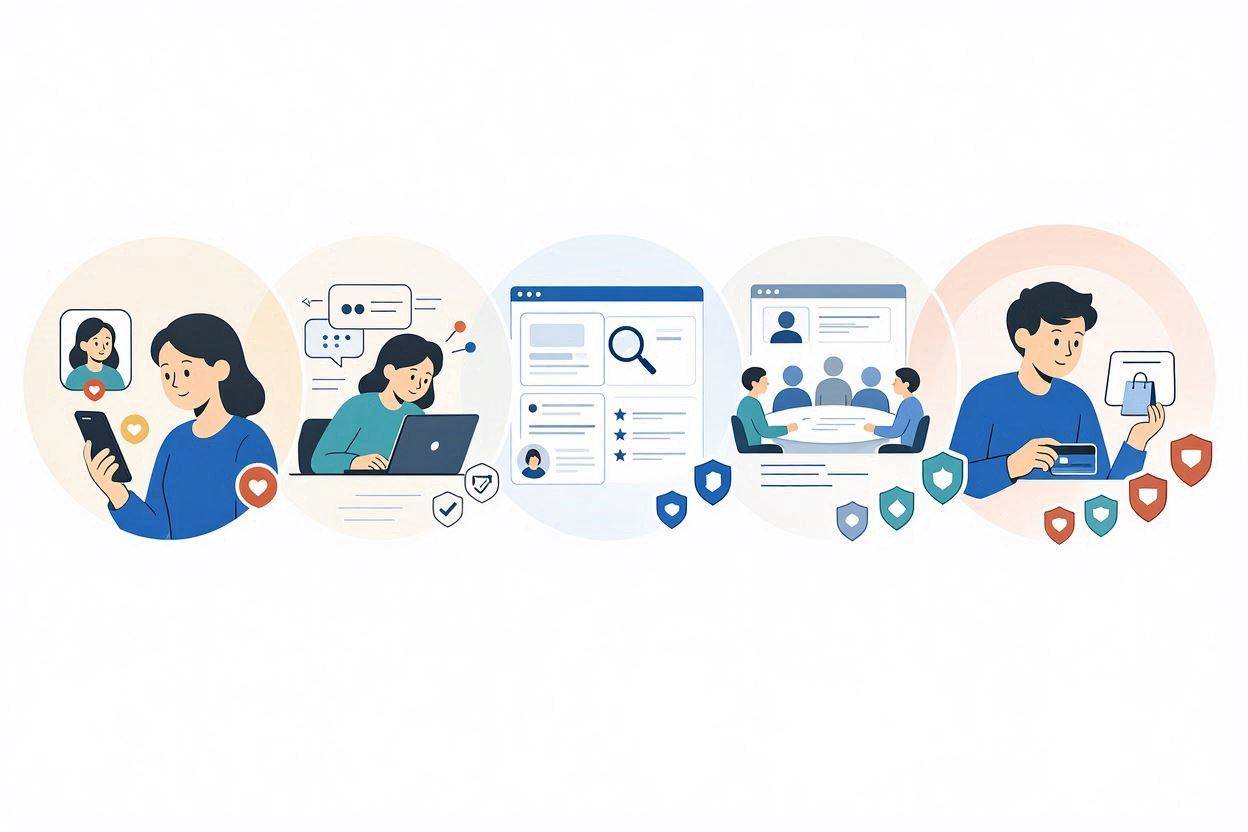
Consumers, however, don't experience brands this way. They don't think, "Now I'm engaging with SEO" or "Now I'm consuming influencer marketing." Instead, they move fluidly between channels. They might discover a product on Instagram, read an editorial comparison, ask ChatGPT for recommendations, search Reddit for honest opinions, watch a YouTube review, and finally visit the brand's website before making a purchase. To the consumer, this feels like one continuous journey. To many organizations, it's still managed as six separate marketing functions. That's becoming a competitive disadvantage.
The most effective brands are beginning to think in terms of trust ecosystems rather than marketing channels. Every touchpoint contributes to the same objective: reducing uncertainty for the customer. This means influencer marketing should reinforce the same messages customers see in community discussions. Product pages should address the same concerns people raise in reviews. Customer support should deliver experiences worthy of recommendation. PR should build authority that strengthens both search visibility and AI-generated responses. When these elements work together, marketing stops feeling like marketing. It starts feeling like proof.
The next era of marketing will reward companies that understand one simple principle: People don't just buy products. They buy confidence. Every piece of content, every review, every creator partnership, every customer story, and every community discussion either increases or decreases that confidence. This presents an incredible opportunity for brands willing to adapt.
Instead of viewing influencer marketing as a series of sponsored collaborations, marketers can begin treating it as one part of a broader trust strategy, one that includes customer advocacy, community engagement, user-generated content, editorial authority, and authentic conversations across the web. This is particularly important as AI-powered search continues to reshape digital discovery. The brands that become visible won't necessarily be those producing the most content, but those generating the strongest signals of credibility across multiple independent sources.
For brands expanding internationally, this shift is even more significant. Building visibility in new markets is no longer just about translating campaigns or partnering with local creators. It requires understanding where consumers are already having authentic conversations. This is why global Reddit marketing is becoming an increasingly valuable strategy for companies looking to earn trust across different regions. By participating in the communities that influence purchasing decisions, brands can build credibility that extends well beyond traditional advertising and strengthens their presence in AI-powered search.
In many ways, marketing is coming full circle. Before social media algorithms and paid promotions dominated the internet, businesses grew through word-of-mouth. One satisfied customer recommended another, creating a cycle of trust that fueled sustainable growth. Technology has changed dramatically since then. Human behavior hasn't. People still trust people. The only difference is that today's word-of-mouth is no longer limited to friends and family. It happens at a global scale across online communities, customer reviews, social platforms, forums, and increasingly, through the AI systems that aggregate and interpret those conversations.
If there's one takeaway from this transformation, it's this: The future of influencer marketing won't be defined by who has the biggest audience. It will be defined by who has the strongest advocates. The brands that lead in 2026 and beyond will be those that stop asking, "How do we get more people talking about us?" and start asking, "What are we doing that's worth talking about?"
That subtle shift changes everything. Because once a brand consistently delivers products, experiences, and stories that customers genuinely want to share, influencer marketing becomes more than a paid strategy. It becomes a natural extension of customer satisfaction. And that's where the most enduring competitive advantage lies.
At Disrupt, we believe the next generation of marketing won't be won by brands that simply chase visibility. It will be won by brands that earn trust, cultivate meaningful communities, and create customer experiences compelling enough to spark conversations long after a campaign ends. In an AI-driven world where authentic recommendations increasingly shape both search results and purchasing decisions, helping brands build that kind of influence isn't just another marketing service; it's the foundation of sustainable global growth.
As AI continues to surface authentic discussions from platforms like Reddit, brands can no longer afford to treat community conversations as background noise. Reddit Reputation Management is becoming a strategic business function, helping companies understand public perception, identify emerging opportunities, and earn credibility before customers ever reach their website. At Disrupt, we've built our Reddit Reputation Management service around this philosophy, helping brands participate in conversations with transparency, protect their reputation, and strengthen the trust signals that increasingly influence both consumers and AI-generated recommendations. This isn't just the future of influencer marketing. It's the future of marketing itself.