When running an e-commerce brand, you often encounter situations where customers add products to their cart but leave without checking out. Many brands treat this abandonment as a simple failure and wait for the next opportunity. However, these customers haven't necessarily lost interest; they may have just delayed their purchase. Adding an item to a cart indicates high purchase intent, and abandonment is often due to minor factors like shipping costs, coupons, or momentary distractions. In short, these are not “lost customers,” but “customers likely to return.”
This is where automated email flows become essential. By sending personalized messages at the right time based on customer behavior, these flows offer much more than a simple reminder. By sending a brief reminder immediately after abandonment, offering benefits the next day, and creating urgency through reviews or stock alerts later on, you can convert that interest back into a purchase. The key is to recognize that this isn't just about sending emails—it's a flow of persuasion that understands customer psychology and behavior. Cart abandonment can be the starting point for a strategic marketing success.
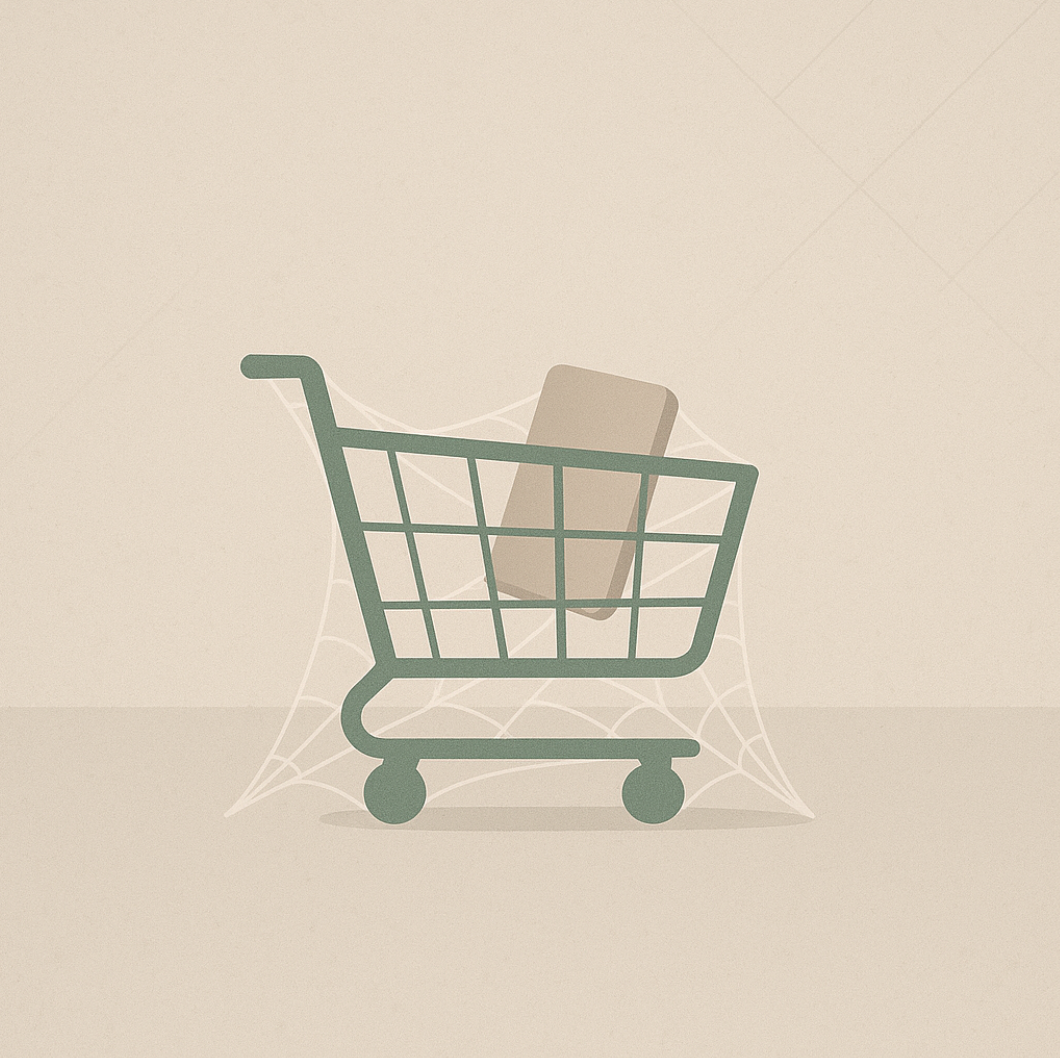
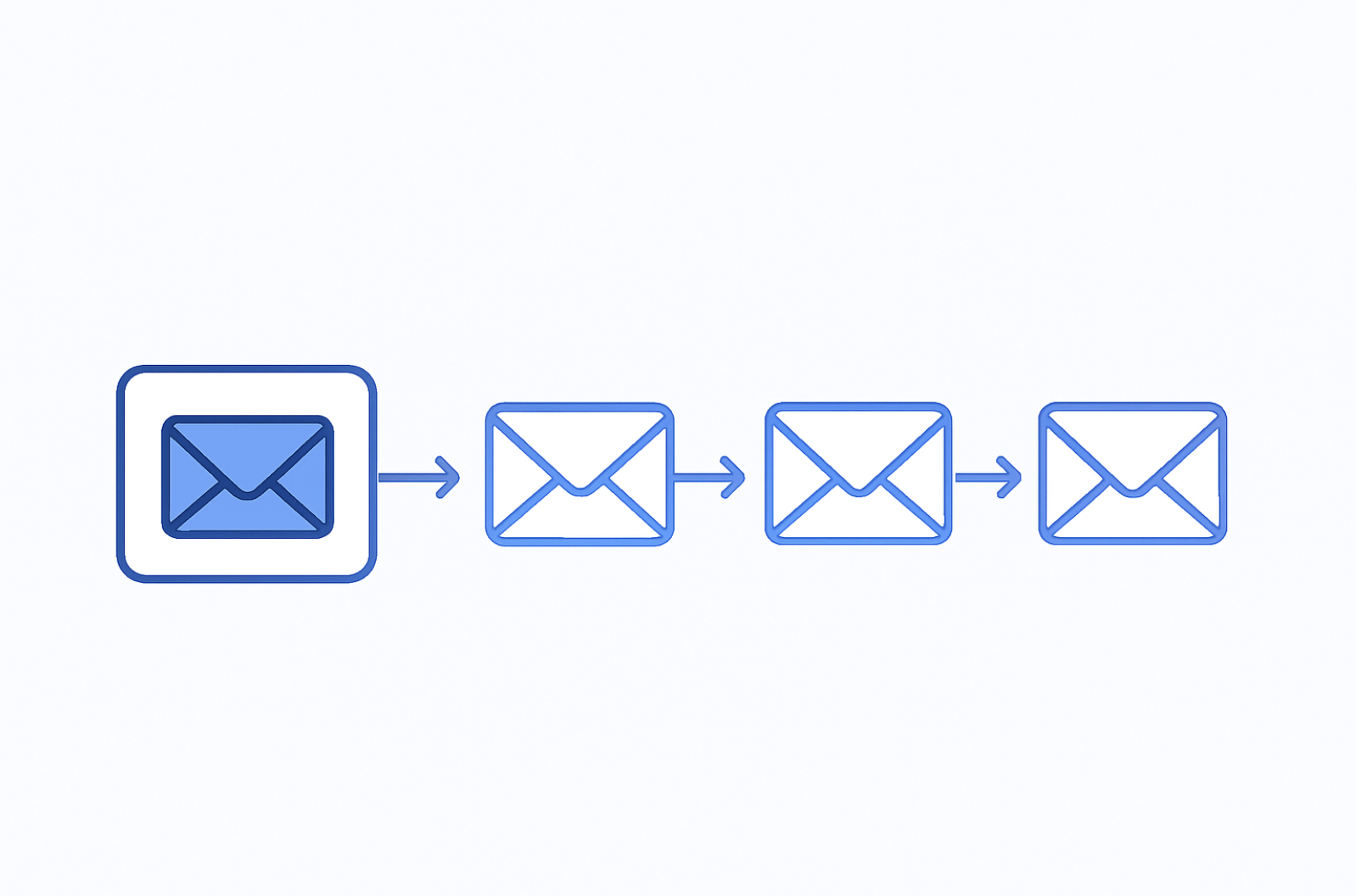
Automated email flows do much more than just notify a customer that they have items in their cart. They are a series of strategically crafted emails designed to reignite the purchase intent of customers who have left. The focus is on driving sales through a sequence of promotion-centered emails sent sequentially to customers who added items to their cart but did not complete the checkout.
For example, the first email can gently remind the customer by showing the image, name, and price of the items in their cart with a message like, “You can still complete your purchase.” The second email can then encourage a decision by offering a time-sensitive discount code or free shipping.
In subsequent stages, elements that reinforce product trust are crucial. Providing social proof such as actual customer reviews, star ratings, or before-and-after photos—or using FOMO-inducing language like “Many other customers are looking at this product right now”—can be highly effective. The final email should include a clear call-to-action (CTA) alongside an urgent message, such as “Low stock remaining” or “Discount offer expires at midnight.”
This flow is not just about sending emails; it is a sophisticated persuasion structure that systematically reinforces the reasons why a customer should buy the product now.
While email is certainly an effective way to bring back customers who have abandoned their carts, not everyone checks their inbox in real time. This is where SMS serves as a powerful complement, acting as an immediate channel with high open rates. In fact, reports from platforms like Klaviyo and Omnisend show that cart recovery flows combining email and SMS see an average conversion rate increase of over 30%. Email allows you to fully explain product details and benefits, while SMS uses short, punchy messages to create urgency and drive quick action.
For example, you can send a reminder email one hour after a customer abandons their cart, followed by an SMS 24 hours later with a message like “Get 10% off if you checkout now.” You can then set up a sequence that builds product trust through emails featuring reviews or stock alerts and finally, close the conversion with an “ending soon” SMS.
As a global marketing agency, Disrupt currently manages integrated email and SMS automation flows for various brands. We help our clients achieve the dual goals of increasing revenue and strengthening customer loyalty in the global market. If you are interested in these core email and SMS marketing strategies, please contact DISRUPT!

Account Executive


